Physical Education
(I) Curriculum
1.1 Based on the Physical Education Learning Area Curriculum Guide (2002) published by the Education and Manpower Bureau, a balanced school‑based Physical Education curriculum is developed in light of the school’s own characteristics.
1.2 Planning of teaching programmes:
1.2.1 The First Key Stage focuses on foundational physical activities. For the Second Key Stage, students shall learn at least eight different physical activities across no fewer than four activity categories.
1.2.2 Primary 1 and 2 lessons are mainly divided into three components: body control, object control and rhythmic movement; the remaining lessons are game‑based.
1.2.3 Primary 3 to 6 lessons are mainly divided into athletics, ball games and gymnastics; the remaining lessons are dance‑based.
1.2.4 The teaching programmes for all levels include rope‑skipping lessons and teacher‑selected elective units to develop school‑based features of the Physical Education curriculum.
1.3 Allocation of teaching periods:
1.3.1 All Primary 1‑6 classes have two periods of Physical Education per week.
1.3.2 Within each semester, teaching periods are allocated to the following five categories (number of lessons indicated in brackets):
1.3.2.1 Health Records (2)
1.3.2.2 Physical Fitness Tests (3 for Primary 1‑2; 4 for Primary 3 and above)
1.3.2.3 Rope‑skipping / Emerging Sports (2.5)
1.3.2.4 Physical Education Knowledge (1.5 )
1.3.2.5 Physical Education Assessment (3)
1.3.3 Remaining lesson time is devoted primarily to the teaching of physical skills.
1.3.4 Around three to four teaching periods per school year are designated for elective units. These allow teachers to leverage their expertise in activities such as martial arts, pickleball, floor hockey and dodgeball, broadening students’ exposure to a variety of sports. In addition, through activities such as orienteering, teachers can foster students’ generic skills including collaboration, communication, creativity and critical thinking.
(II) Assessment Methods
2.1 Two Physical Education assessments are held each school year, conducted at the end of each semester.
2.2 Assessment comprises four components:
- Attitude (10%)
- Physical Education Knowledge (10%)
- Physical Fitness (40%) – scored using the official scoring tables of the School Physical Fitness Award Scheme (SPFAS) by the Education Bureau, HKSAR
- Motor Skills (40%)
2.3 For Motor Skills assessment, one skill is selected from those taught at each level for testing.
2.4 Physical Fitness assessment covers: sit‑ups, sit‑and‑reach, handgrip strength, and six‑/nine‑minute run.
2.5 Assessment of Attitude includes students’ attendance, proper uniform and learning attitude.
(III) Other Teaching‑related Matters
3.1 Health‑education related programmes:
Sports Act Programme
3.2 In‑school training programmes:
- Physical Fitness Programme
- Athletics
- Martial Arts
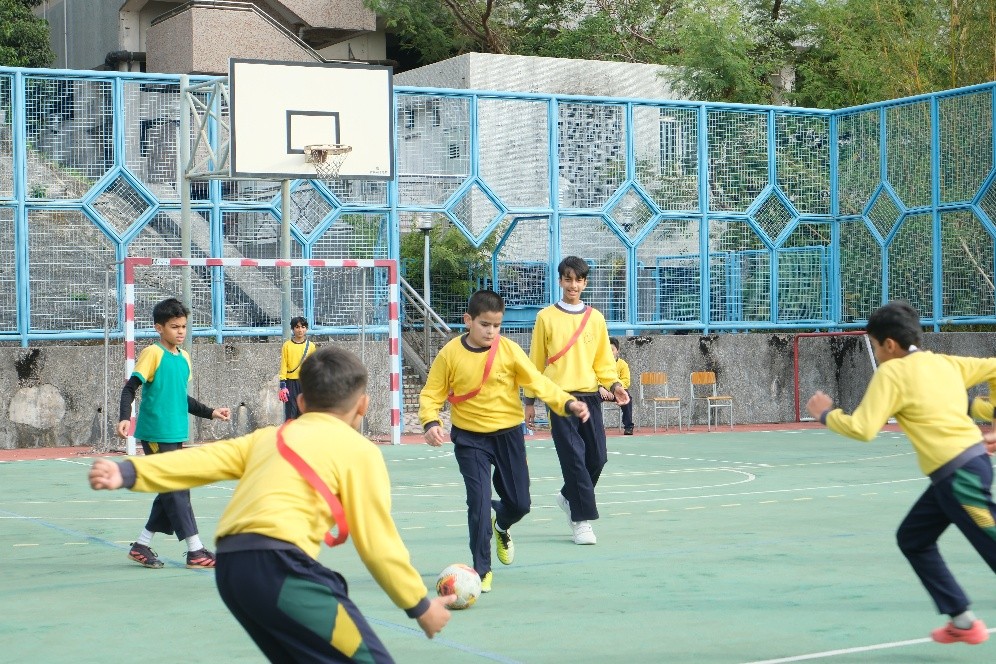
- Ball games (cricket, football, floorball, pickleball, volleyball, rugby)
- Cycling
- Dance
- Inline skating
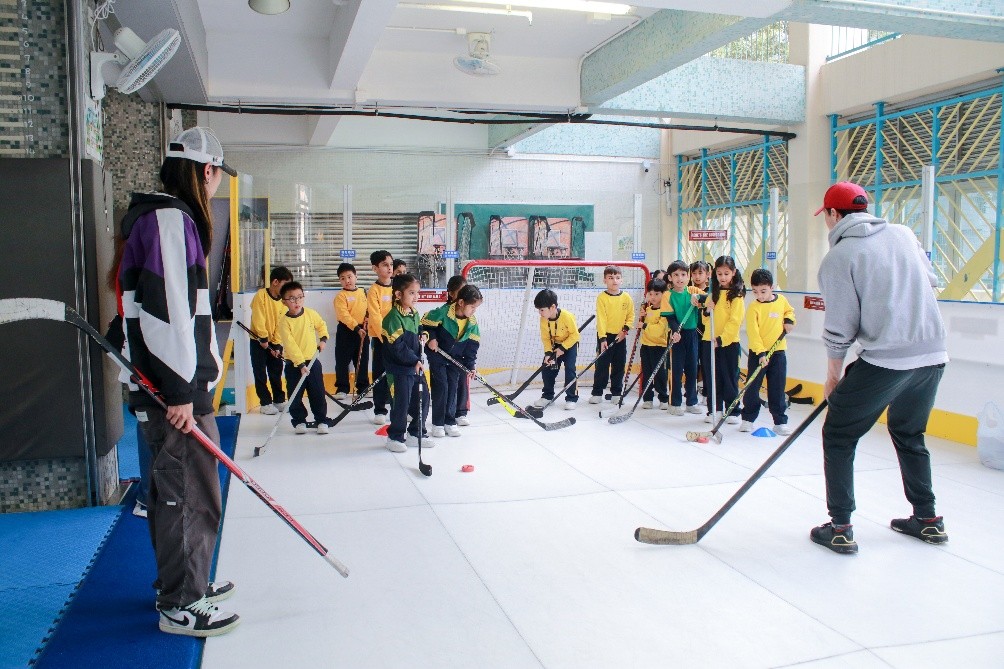
- Roller hockey
- Ice hockey
3.3 Off‑campus training:
- Outreach Cricket Training
- Outreach Football Training
3.4 In‑school activities:
- Sports Day / Athletic Meet
- Health Talks / Poster Exhibitions
3.5 Off‑campus activities:
- North‑Kowloon Area Athletics Meet
- Easy Sports Competitions
- Ball‑game Competitions (cricket, football, floorball, pickleball, volleyball, rugby, netball)
- Cycling Competitions
- Athletics Competitions
- Inline Skating Competitions
- Ice‑hockey Competitions
- Roller‑hockey Competitions
- Invitational Physical Education Events with Primary Schools

 Tsz Lok Estate Phase I, Tsz Wan Shan, Kowloon
 2320 1300
 2322 6566
 idpmps@idpmps.edu.hk
Copyright © 2026. Islamic Dharwood Pau Memorial Primary School, All Rights Reserved