|
Aims
The GS Curriculum aims at:
-
maintaining healthy personal development and becoming confident, rational and responsible citizens
-
recognising their roles and responsibilities as members of the family and society as well as show concern for the common good
-
developing curiosity and interest in the natural world and technological world as well as understanding the impact of science and technology on society
-
developing care and concern for the environment and practising green living
-
developing a sense of national identity and be committed to contributing to the nation and the world
|
|
Overview
We adopt:
-
Inquiry-based Learning Approach: organizing activities such as scientific investigation, news sharing and project learning
-
STEM Education: incorporate STEM projects into the curriculum, so that students can fully engage in hands-on and minds-on activities to experience scientific investigation
-
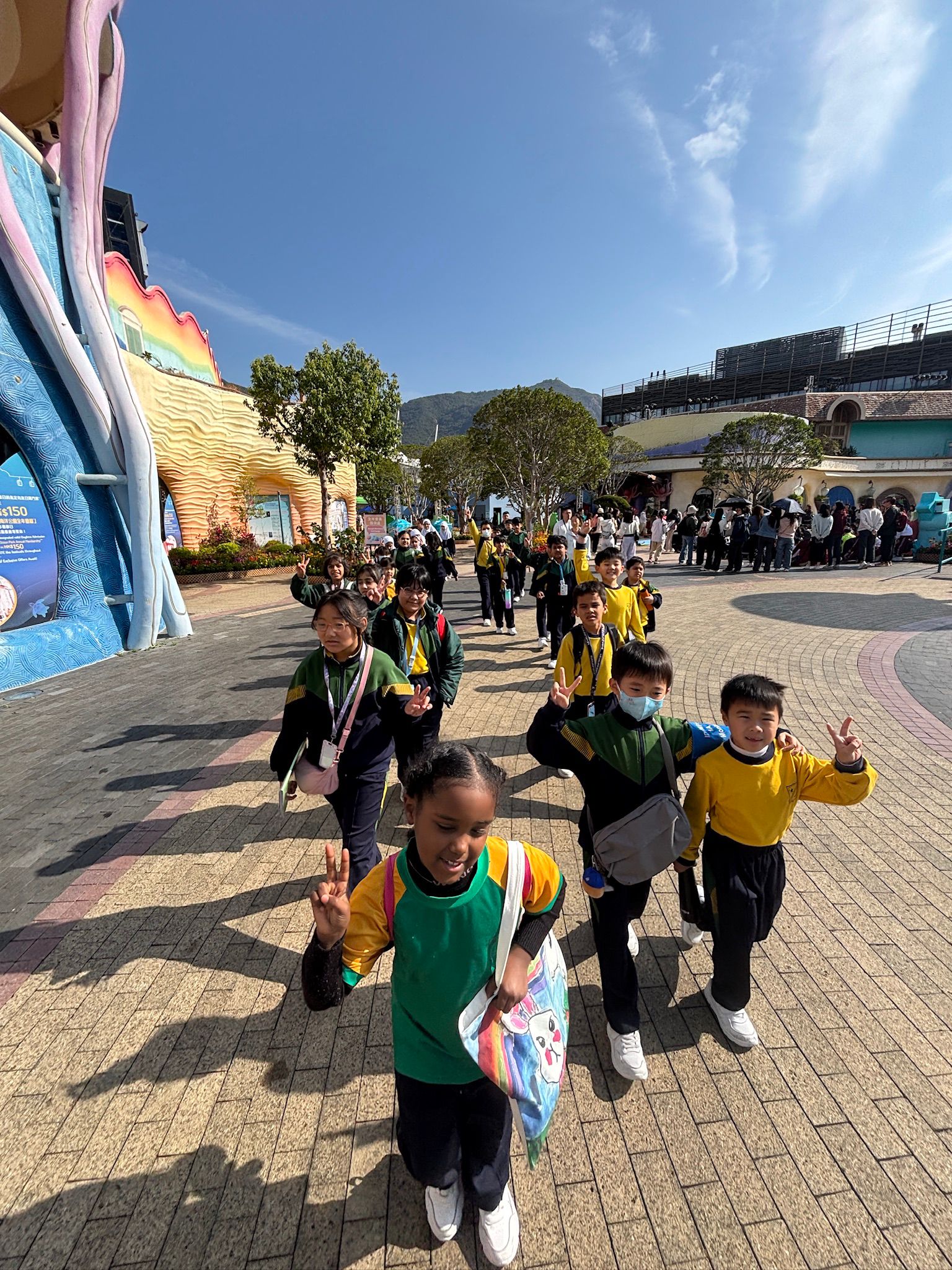
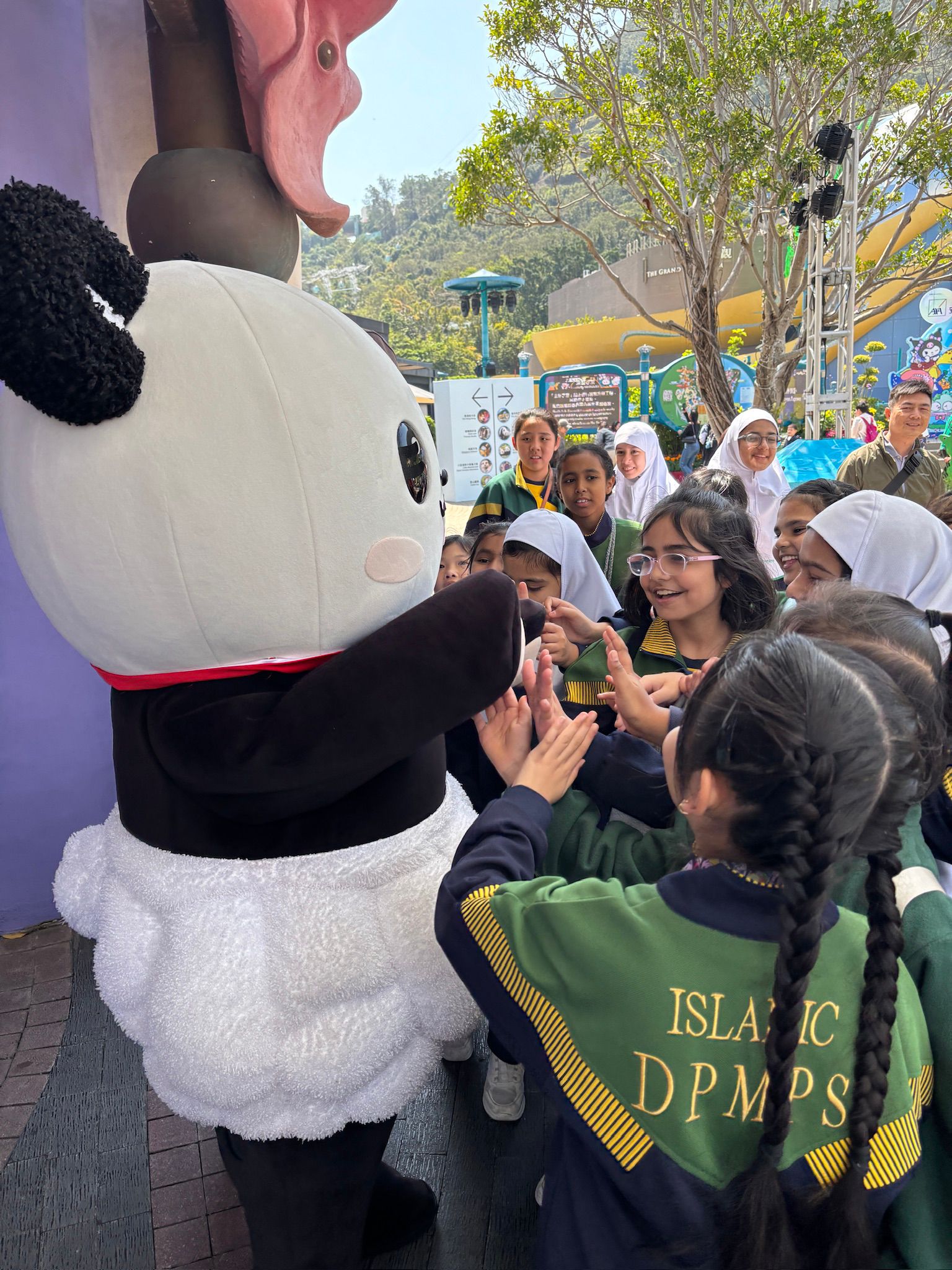
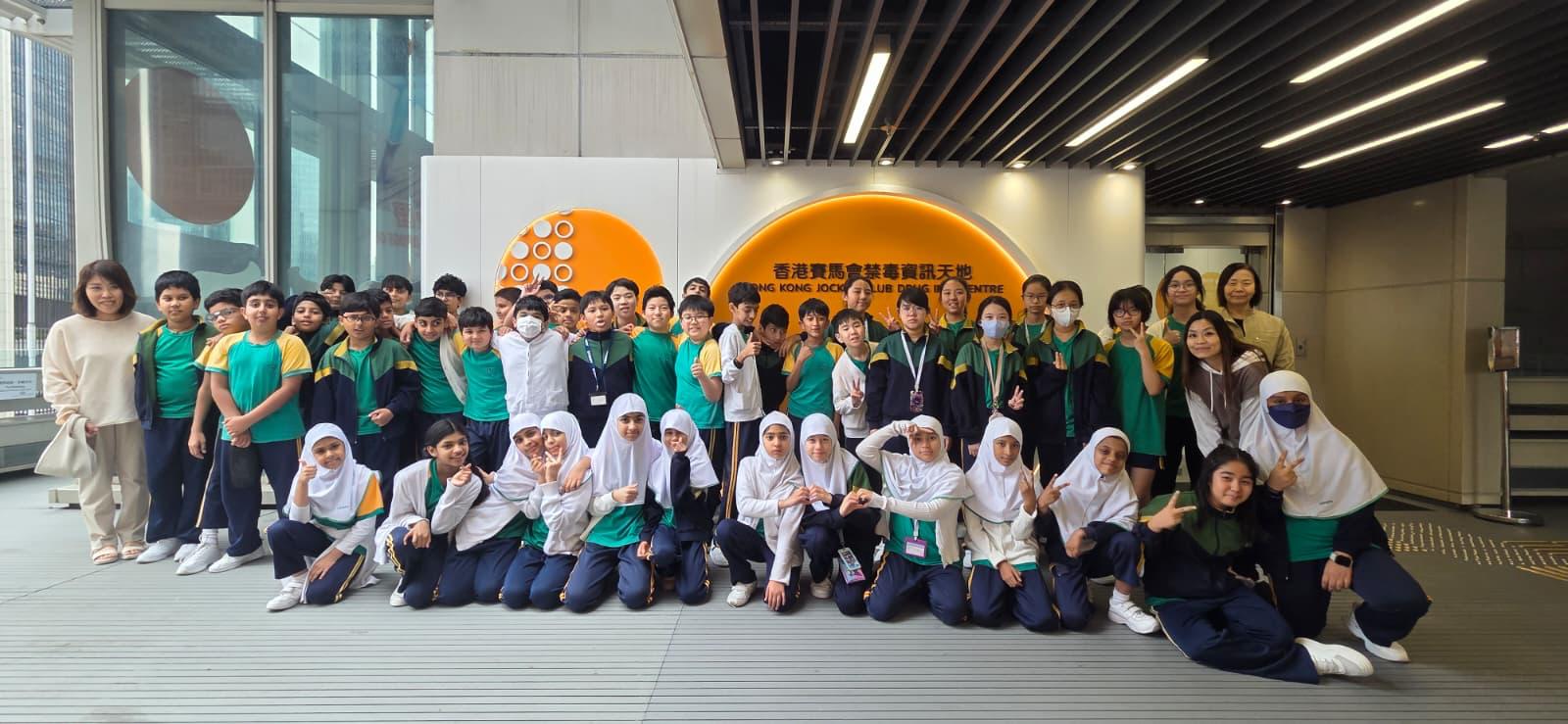
Life-wide Learning: Diverse teaching and learning strategies such as role plays, case studies and debates are adopted. Activities beyond-classroom/after-school such as visits, field trips and workshops are also organized to enhance their learning experience.
-
e-Learning: provide e-learning tools, teaching videos and online learning resources to cater for students’ diverse learning interests
-
Values Education: With the provision of Reading across the Curriculum and the learning approach of life events, students can deepen their understanding of the Chinese culture and uphold the positive moral values
|
|
Textbook: New General Studies (New Curriculum) (Educational Publishing House Ltd.)
|
|
Assignment
-
Workbook
-
STEM Project Booklet
-
School-based Task Book
-
School-based Task Sheet
|
|
Assessment Methods
|
|
Learning Resources
-
School-based Task Book
-
School-based Task Sheet
|
Humanities
The Primary Humanities curriculum provides students with a well-rounded foundation in personal development, cultural heritage, civic awareness, and global understanding.
Key Curriculum Objectives:
- Holistic Growth & Well-being: Builds healthy lifestyle habits, emotional resilience, personal safety awareness, and positive interpersonal skills from Primary 1 through Primary 6.
- Values & Character Cultivation: Nurtures 12 priority values and attitudes, including responsibility, respect for others, diligence, perseverance, empathy, law-abidingness, and filial piety.
- National & Cultural Knowledge: Develops an understanding of Chinese history, cultural heritage, national geography, and constitutional foundations such as the Basic Law and national security.
- Digital & Global Literacy: Prepares students to navigate the modern world through media ethics, online safety, environmental conservation, and global awareness.
The Six Learning Strands:
- Health & Living: Personal hygiene, growth and pubertal changes, emotional management, personal safety, and risk reduction.
- Environment & Living: Local and national geography, climate changes, natural resource conservation, and green living habits.
- Financial Management & Economy: Smart money management, consumer rights, digital payment safety, and Hong Kong's economic role.
- Community & Citizenship: School and community roles, civic responsibilities, law-abidingness, and the constitutional background of HKSAR.
- Our Country & Me: Chinese dynasties and historical figures, national symbols, cultural heritage, and recent national progress.
- The World and Me: Information literacy, cyber safety, cultural diversity, and global interdependence.
|
Assignment
|
Assessment
|
- Workbook
- Tasksheet (School-based)
- Extended Learning Task (School-based)
|
- Assessments 1 (P2-6 only), 2 & 3
- Formative assessment
- Self-assessment
- Peer assessment
|
|
Learning activities
|
- Visits
- Experiential learning / School-based Programme
- Learning across Curriculum Project
|
|
Textbook
|
|
Humanities Today (Educational Publishing House Ltd.)
|
Science
Our primary school science curriculum follows the framework of the official Science Education Key Learning Area Curriculum Guide, centering on a student-oriented, "hands-on, minds-on" approach to ignite students' curiosity, investigative spirit, and capacity for innovation.
Curriculum Aims & Rationale
- Curiosity & Inquiry: Guides students to observe everyday phenomena, formulate questions, and build evidence-based scientific thinking alongside logical reasoning skills.
- Joyful & Applied Learning: Connects concepts with real-world contexts to foster engaging learning, empowering students to apply scientific knowledge to solve authentic problems.
- Creating the Future: Nurtures engineering mindsets, innovative capacity, and environmental awareness, helping students appreciate the impact of science and technology on society and sustainable development.
Four Core Learning Strands
- Life & Environment: Human health, characteristics and structures of living organisms, life cycles, ecosystems, and the microscopic world.
- Matter, Energy & Change: States and changes of matter (physical and chemical changes), forms of energy (light, sound, heat, electricity), and forces and motion.
- Earth & Space: Earth's features and natural resources, weather and climate change, the water cycle, and the solar system and space exploration.
- Science, Technology, Engineering & Society: Scientific inquiry processes and spirit, aerospace and innovative technology applications, and engineering design cycles.
Learning Activities & LEGO Science Integration
- Scientific Inquiry (PDAR): Students systematically progress through four inquiry stages: Plan, Do, Analyze, and Reflect.
- Engineering Design (PDIR): Enhances practical problem-solving skills through the iterative cycle of "Plan (Define Problem), Do (Build Model), Inspect (Test & Refine), and Reflect".
- LEGO Science Integration: Seamlessly embeds Lego educational tools and mechanical kits into the engineering design (PDIR) curriculum, allowing students to assemble gears, levers, and wheel-and-axle structures to build and refine physical models, gain intuitive insights into physics and structural engineering, and develop overall STEAM literacy.
Assessment & Assignment Strategies
- Formative Assessment: Incorporates classroom observation, interactive questioning, practical logs, and group discussions to provide timely feedback and track learning progress.
- Summative Assessment: Combines periodic written assessments with hands-on tasks to evaluate conceptual understanding and practical problem-solving abilities.
- Self & Peer Assessment: Encourages students to present model designs and reflect on inquiry journeys, cultivating self-directed learning habits.
- Diversified Assignments: Features experimental observation journals, engineering design sketches, data analysis sheets, and STEAM project presentations.
 Tsz Lok Estate Phase I, Tsz Wan Shan, Kowloon
 2320 1300
 2322 6566
 idpmps@idpmps.edu.hk