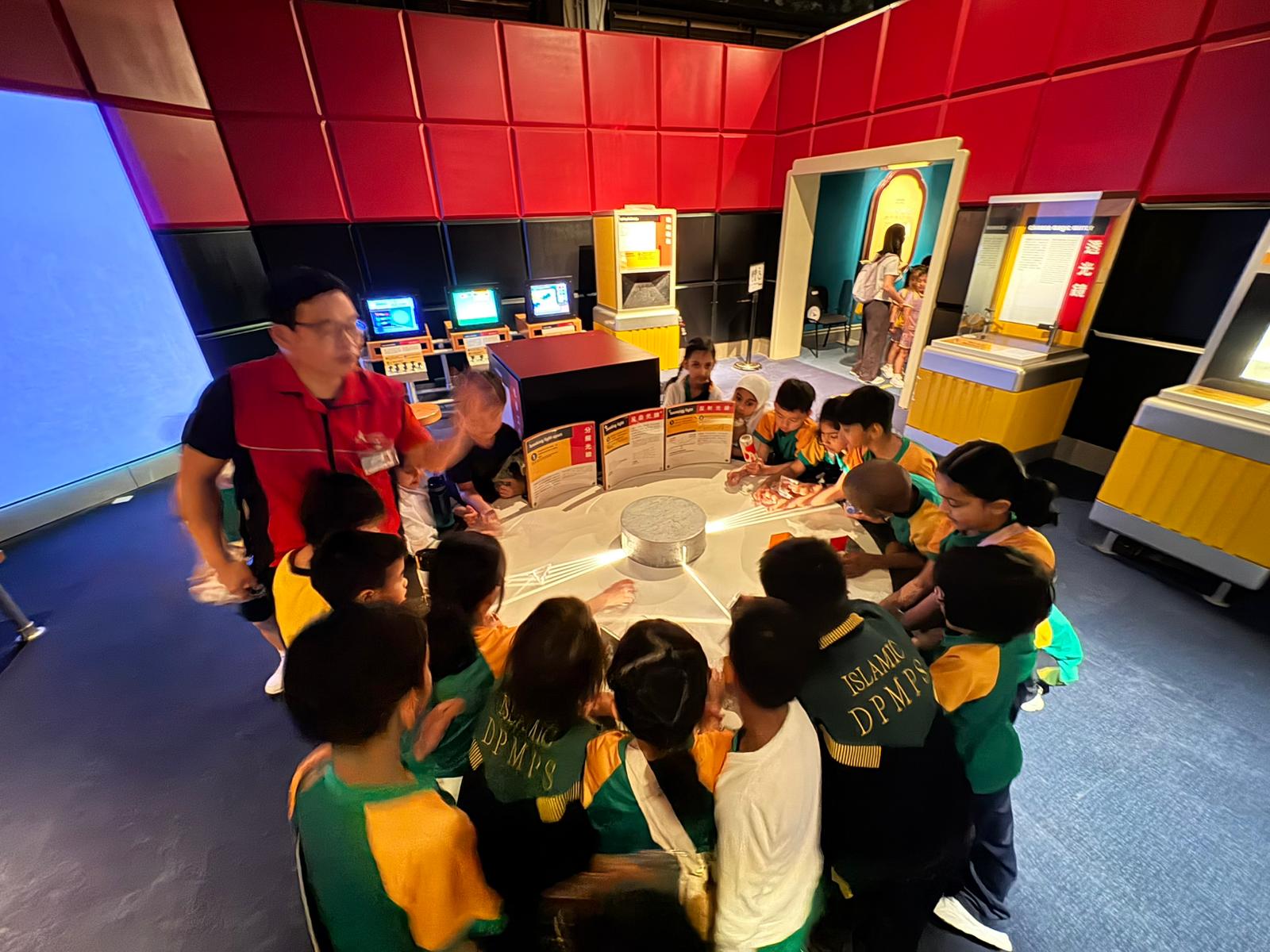
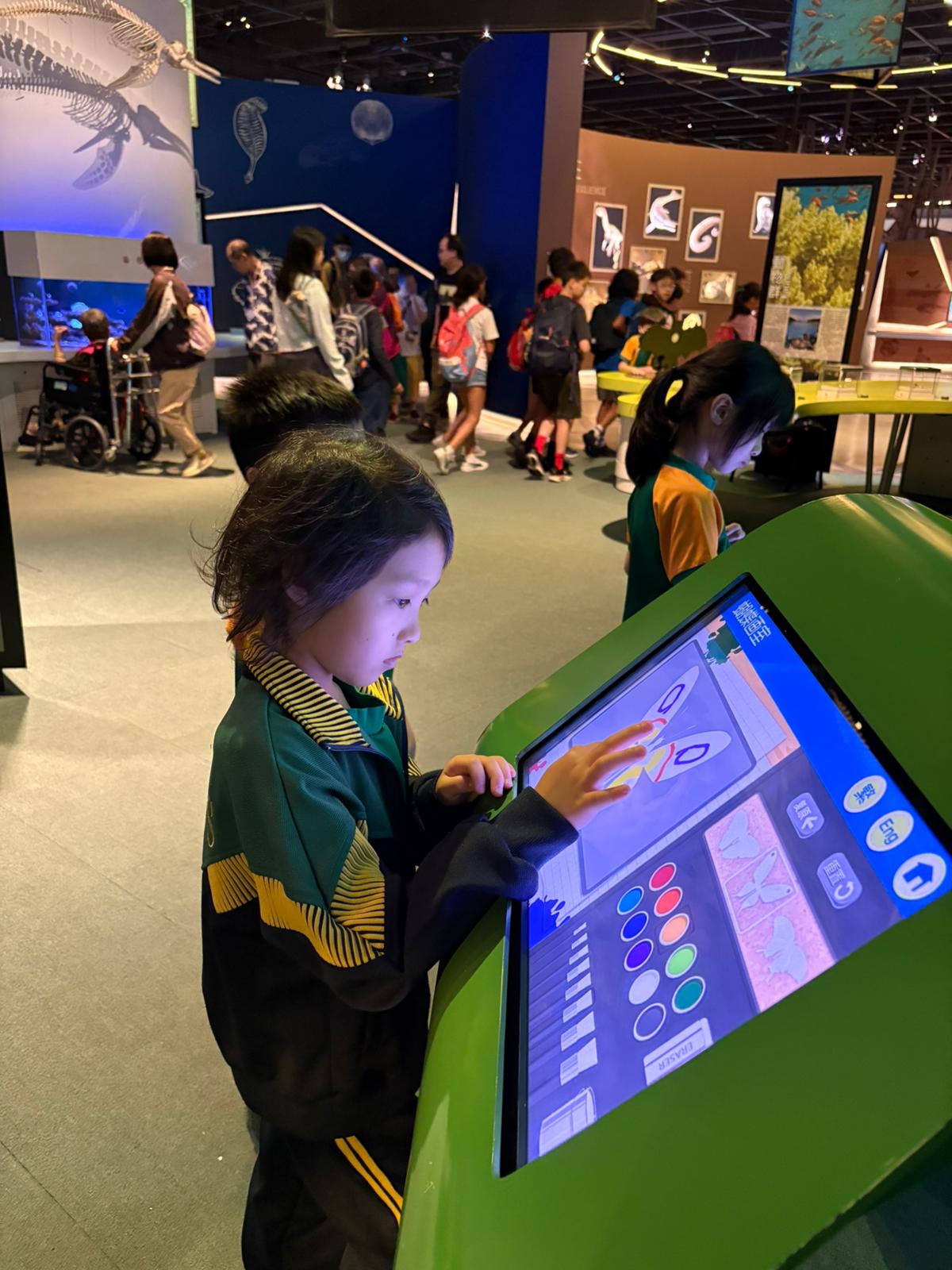
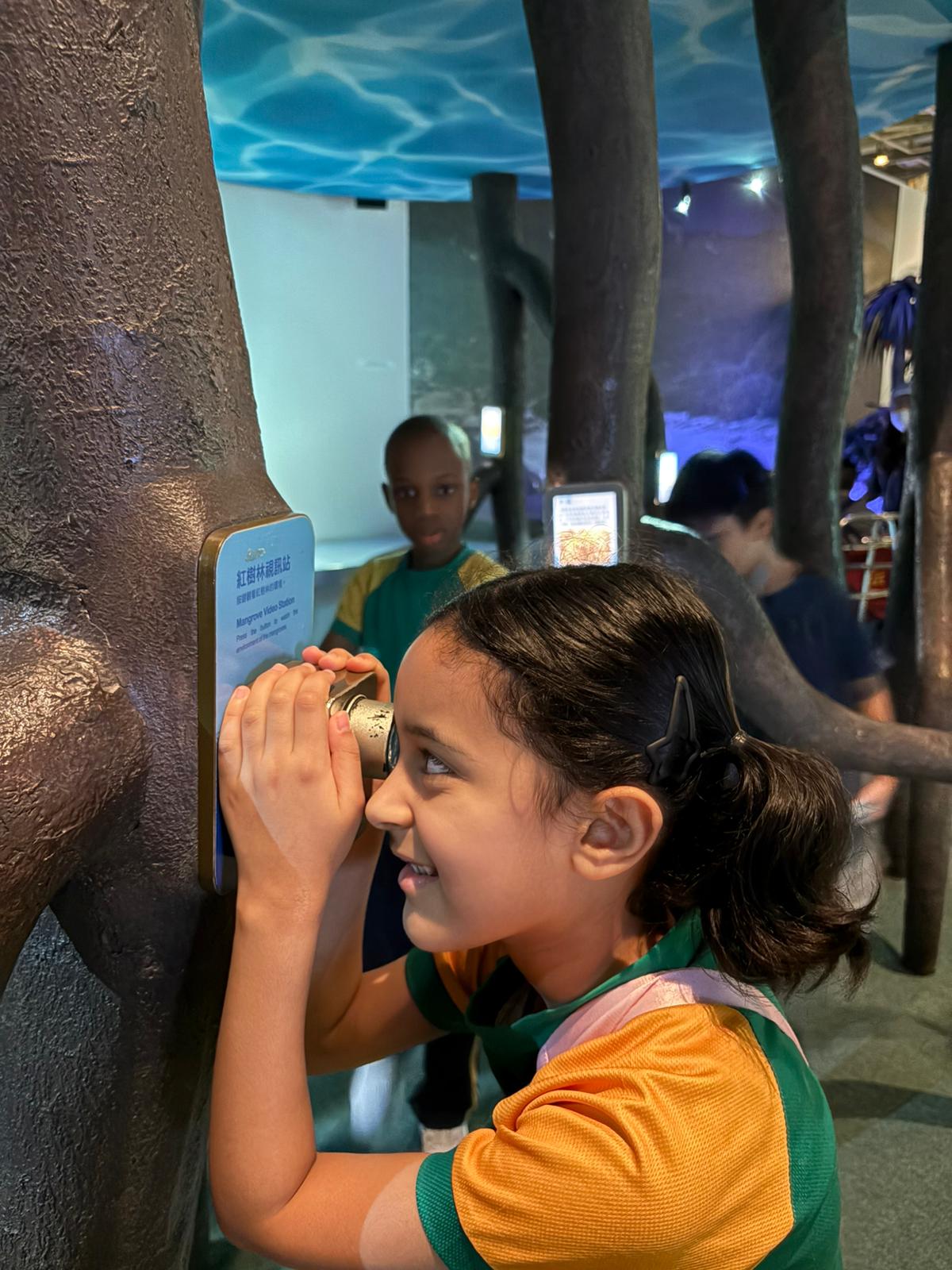
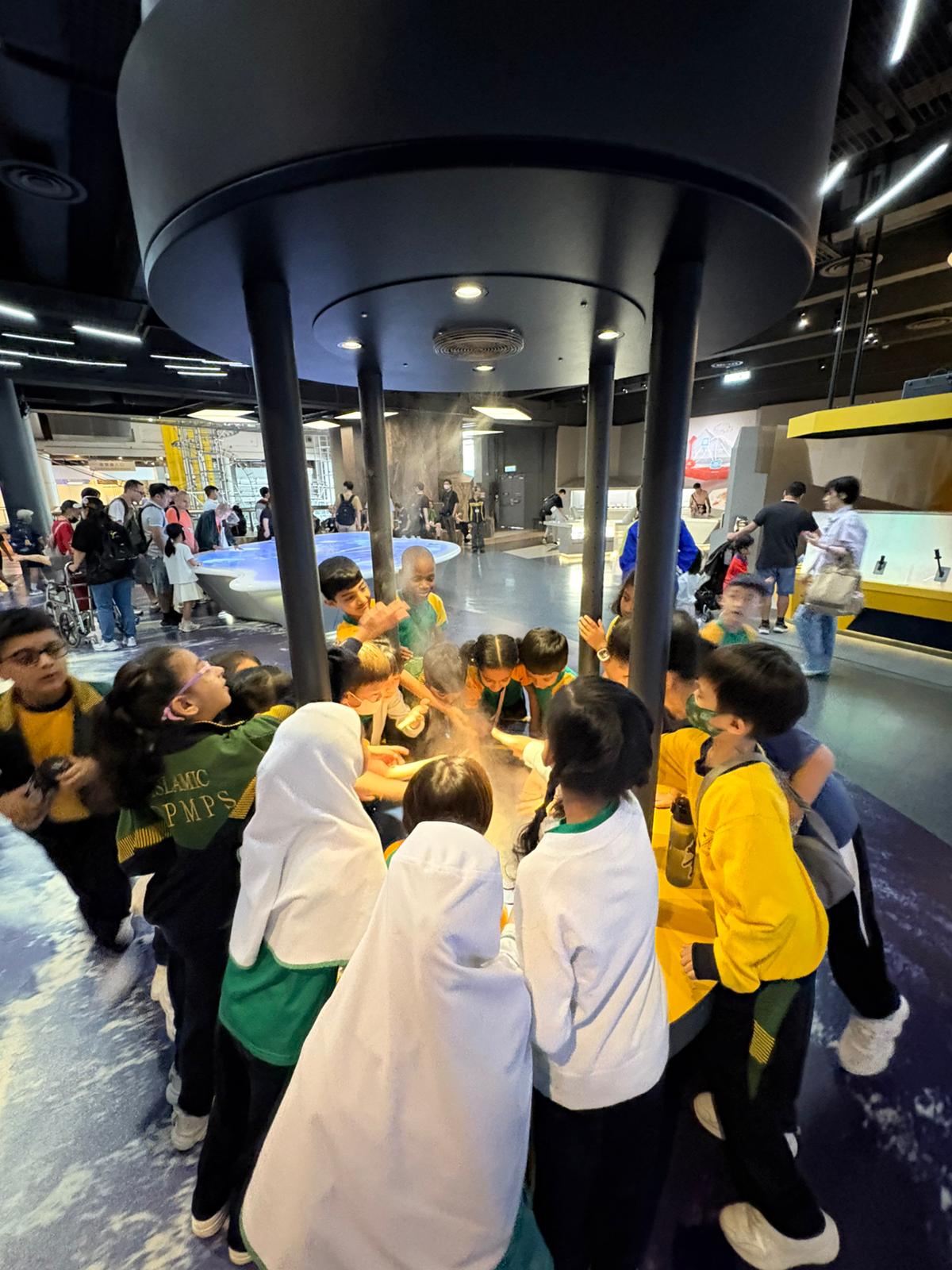
Our primary school science curriculum follows the framework of the official Science Education Key Learning Area Curriculum Guide, centering on a student-oriented, "hands-on, minds-on" approach to ignite students' curiosity, investigative spirit, and capacity for innovation.
Curriculum Aims & Rationale
- Curiosity & Inquiry: Guides students to observe everyday phenomena, formulate questions, and build evidence-based scientific thinking alongside logical reasoning skills.
- Joyful & Applied Learning: Connects concepts with real-world contexts to foster engaging learning, empowering students to apply scientific knowledge to solve authentic problems.
- Creating the Future: Nurtures engineering mindsets, innovative capacity, and environmental awareness, helping students appreciate the impact of science and technology on society and sustainable development.
Four Core Learning Strands
- Life & Environment: Human health, characteristics and structures of living organisms, life cycles, ecosystems, and the microscopic world.
- Matter, Energy & Change: States and changes of matter (physical and chemical changes), forms of energy (light, sound, heat, electricity), and forces and motion.
- Earth & Space: Earth's features and natural resources, weather and climate change, the water cycle, and the solar system and space exploration.
- Science, Technology, Engineering & Society: Scientific inquiry processes and spirit, aerospace and innovative technology applications, and engineering design cycles.
Learning Activities & LEGO Science Integration
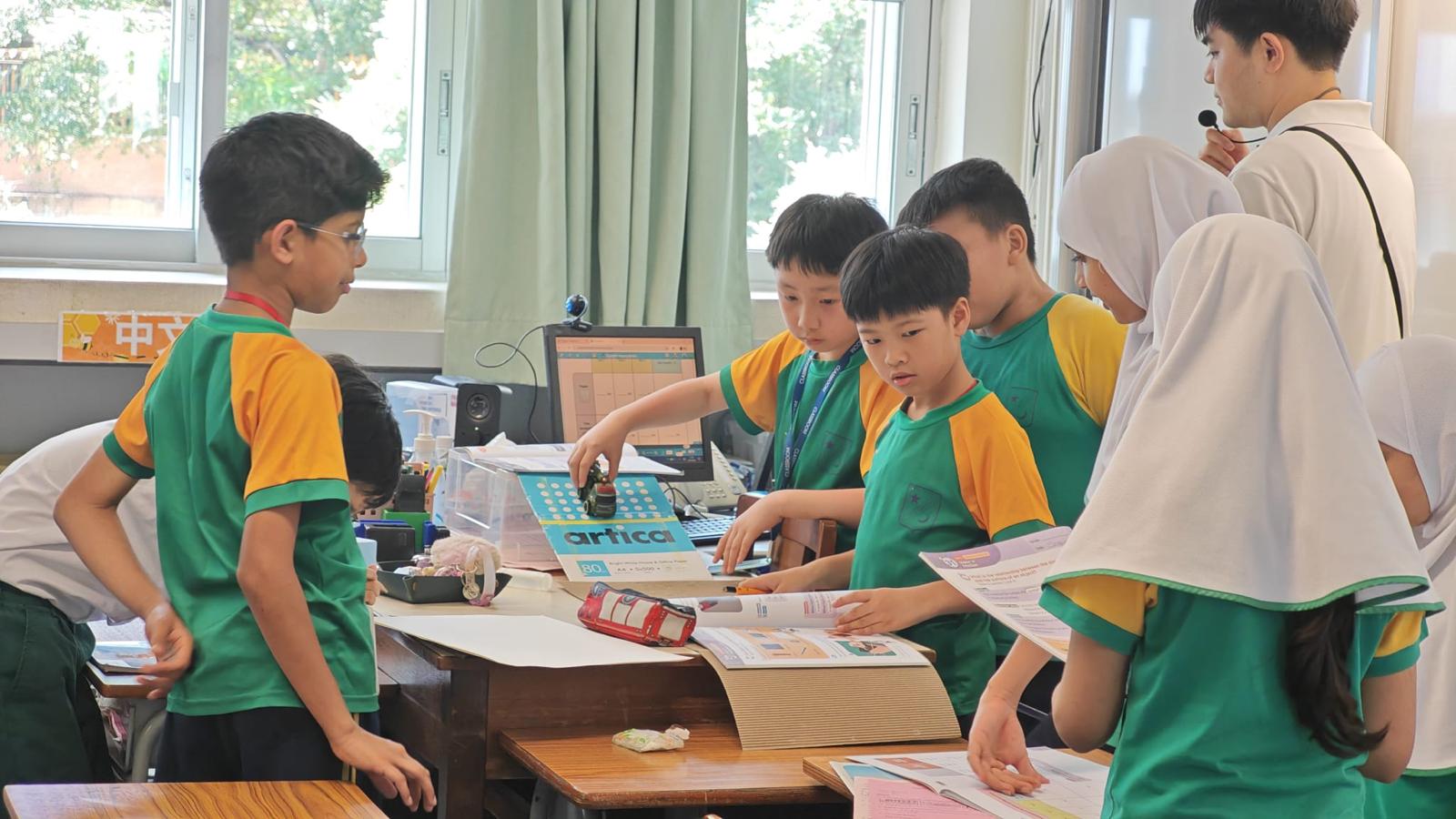
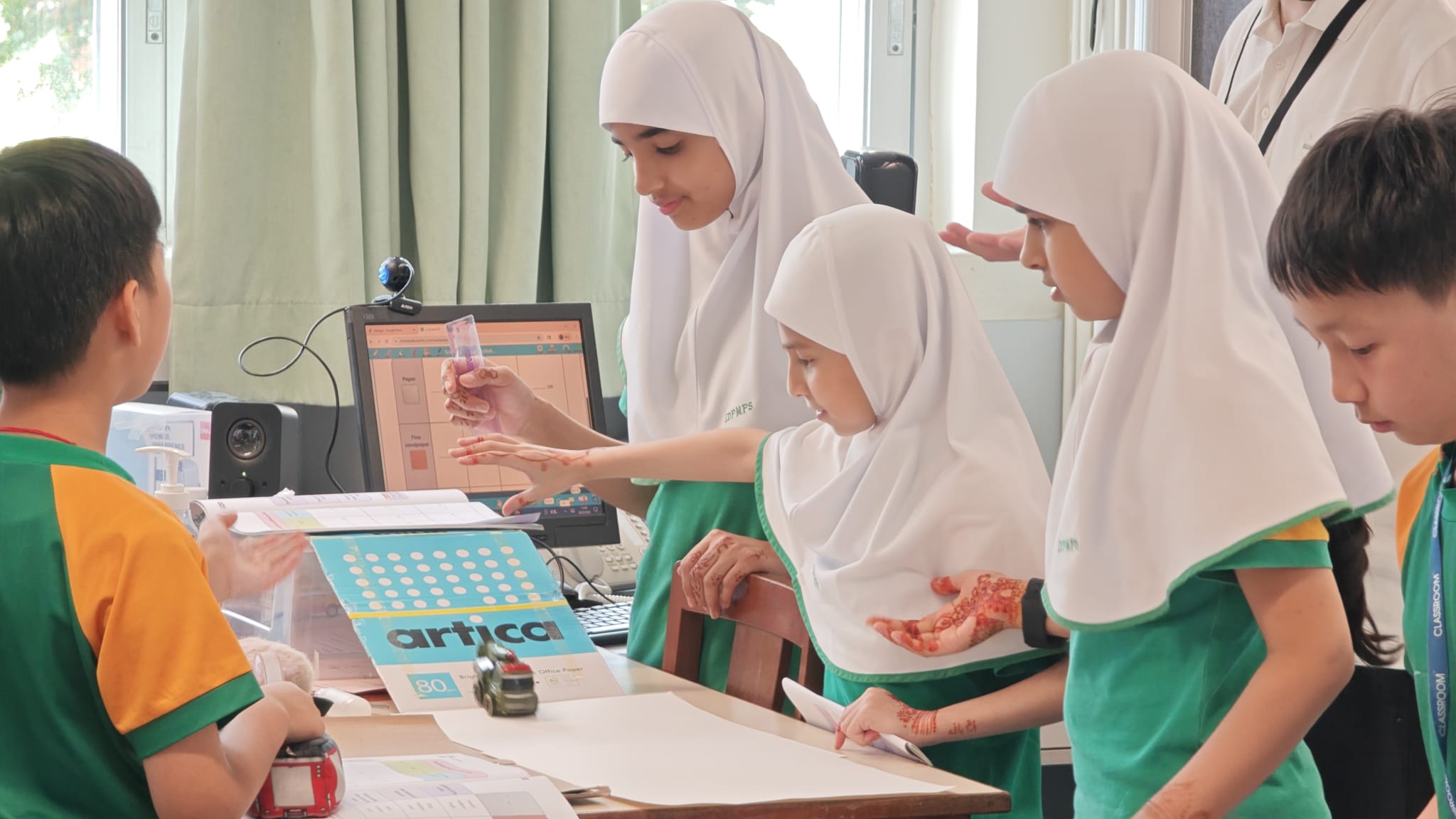
- Scientific Inquiry (PDAR): Students systematically progress through four inquiry stages: Plan, Do, Analyze, and Reflect.
- Engineering Design (PDIR): Enhances practical problem-solving skills through the iterative cycle of "Plan (Define Problem), Do (Build Model), Inspect (Test & Refine), and Reflect".
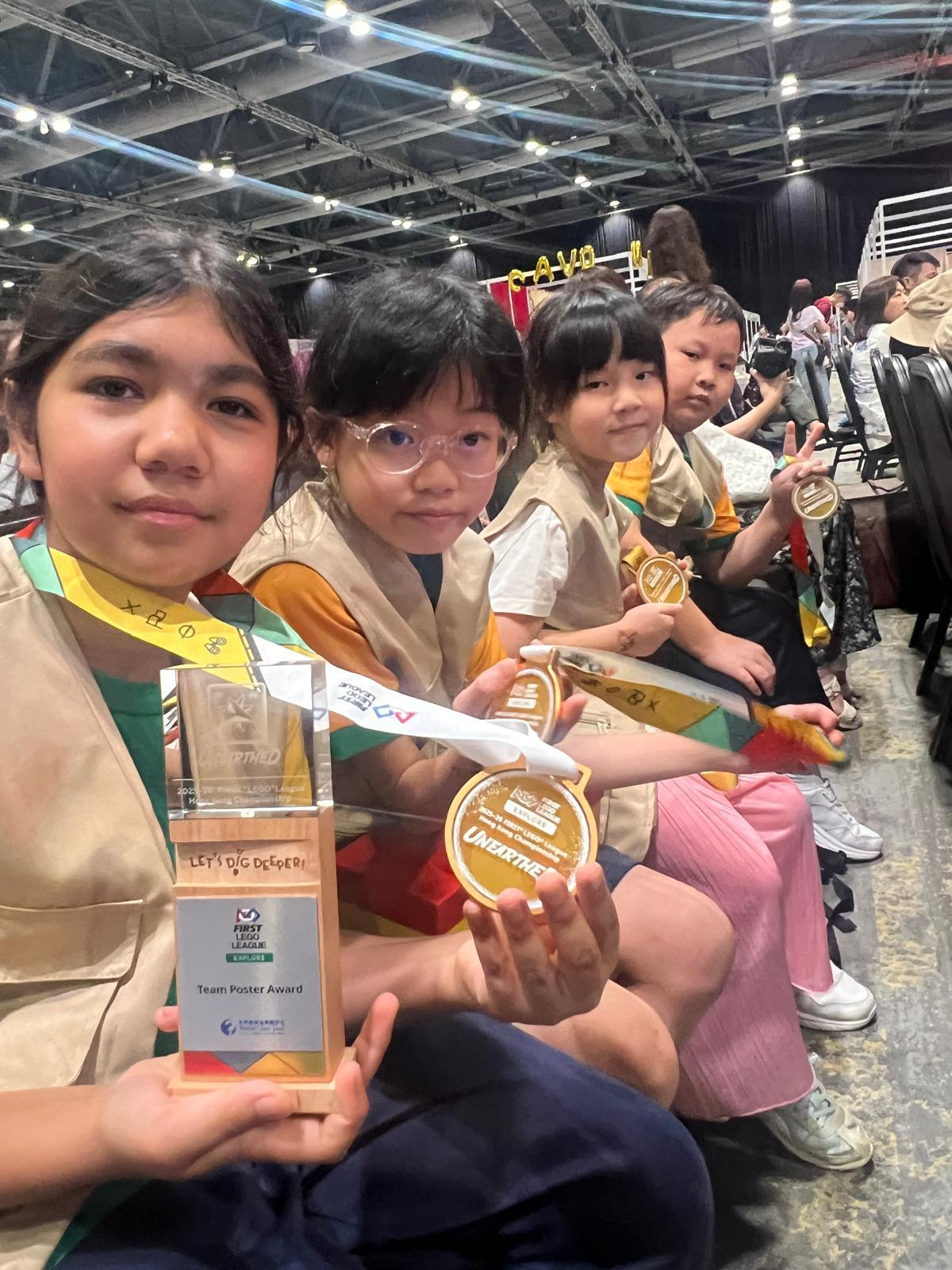
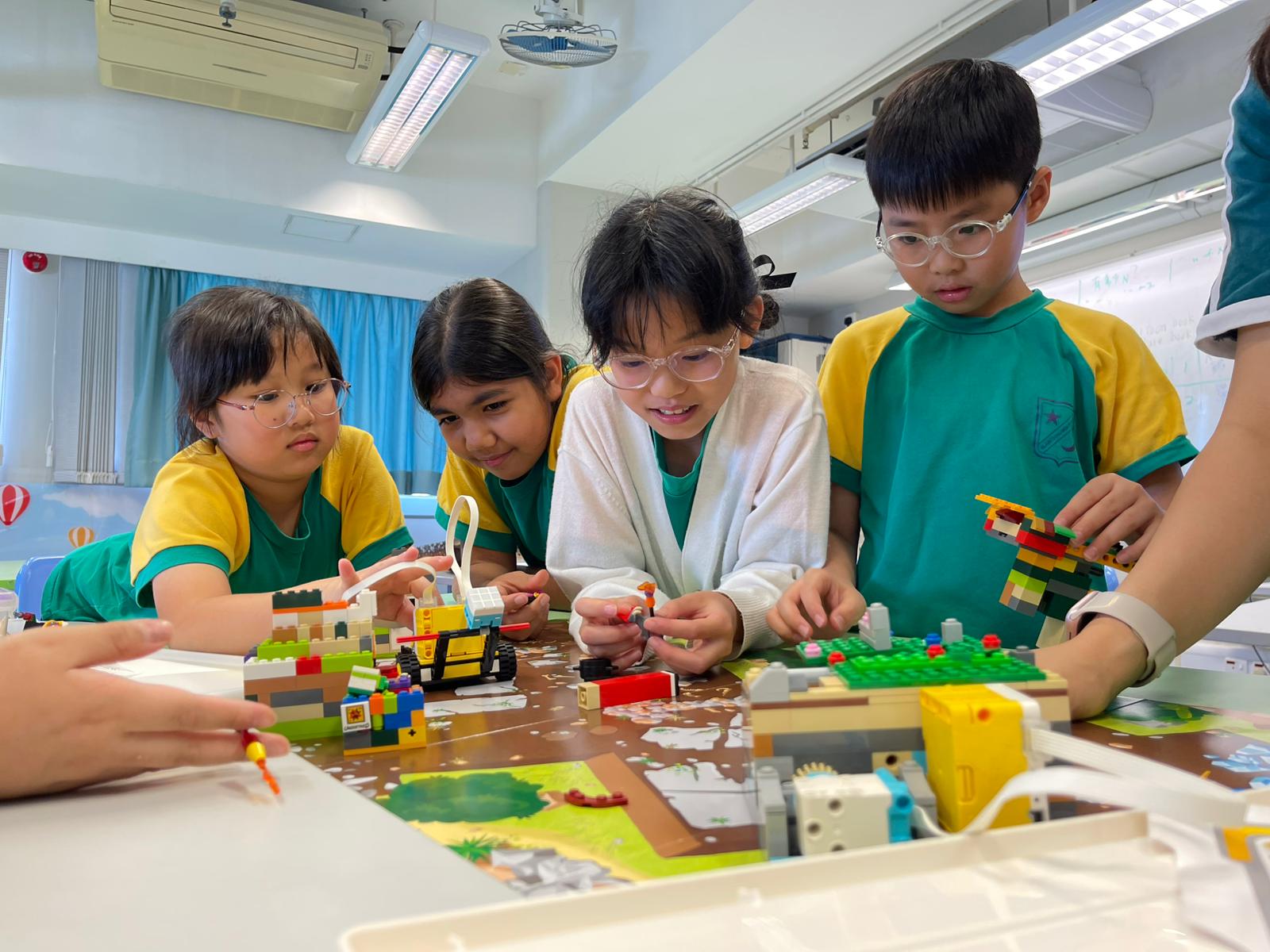
- LEGO Science Integration: Seamlessly embeds Lego educational tools and mechanical kits into the engineering design (PDIR) curriculum, allowing students to assemble gears, levers, and wheel-and-axle structures to build and refine physical models, gain intuitive insights into physics and structural engineering, and develop overall STEAM literacy.
Assessment & Assignment Strategies
- Formative Assessment: Incorporates classroom observation, interactive questioning, practical logs, and group discussions to provide timely feedback and track learning progress.
- Summative Assessment: Combines periodic written assessments with hands-on tasks to evaluate conceptual understanding and practical problem-solving abilities.
- Self & Peer Assessment: Encourages students to present model designs and reflect on inquiry journeys, cultivating self-directed learning habits.
- Diversified Assignments: Features experimental observation journals, engineering design sketches, data analysis sheets, and STEAM project presentations.
 Tsz Lok Estate Phase I, Tsz Wan Shan, Kowloon
 2320 1300
 2322 6566
 idpmps@idpmps.edu.hk