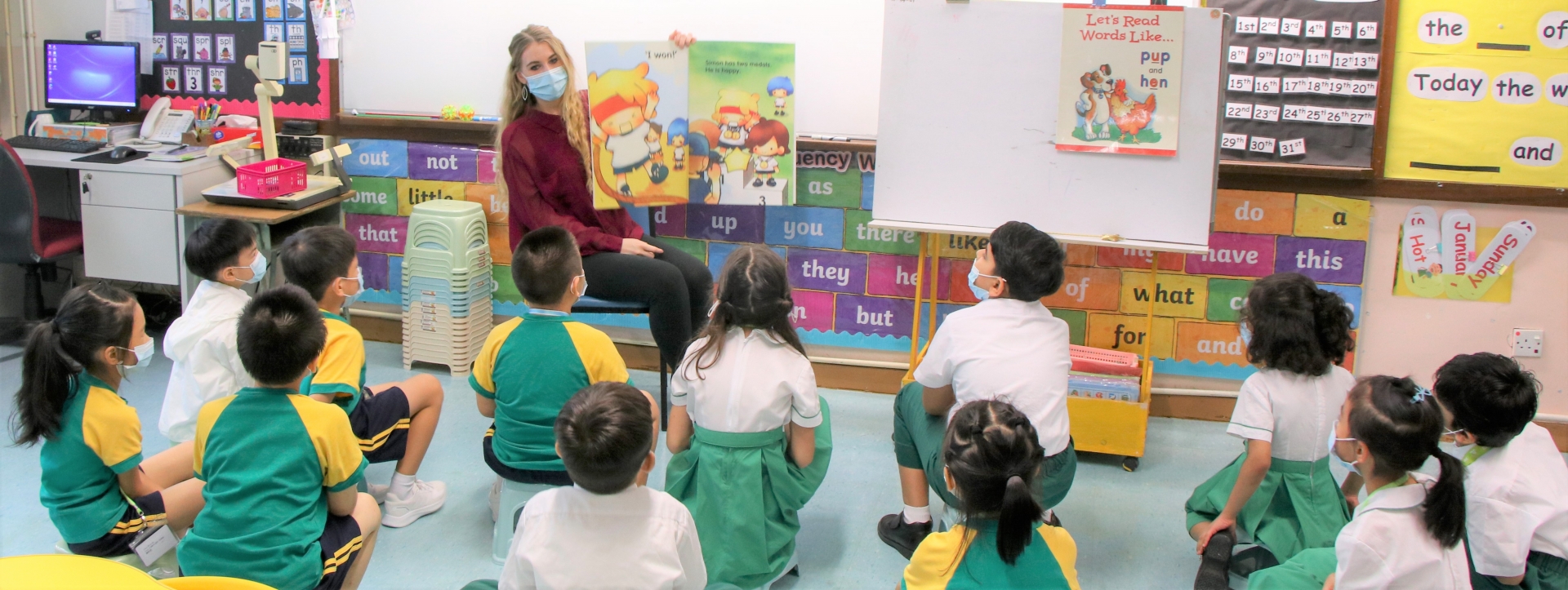
The Music Curriculum aims at:
Emphasizing the importance of cooperative learning.
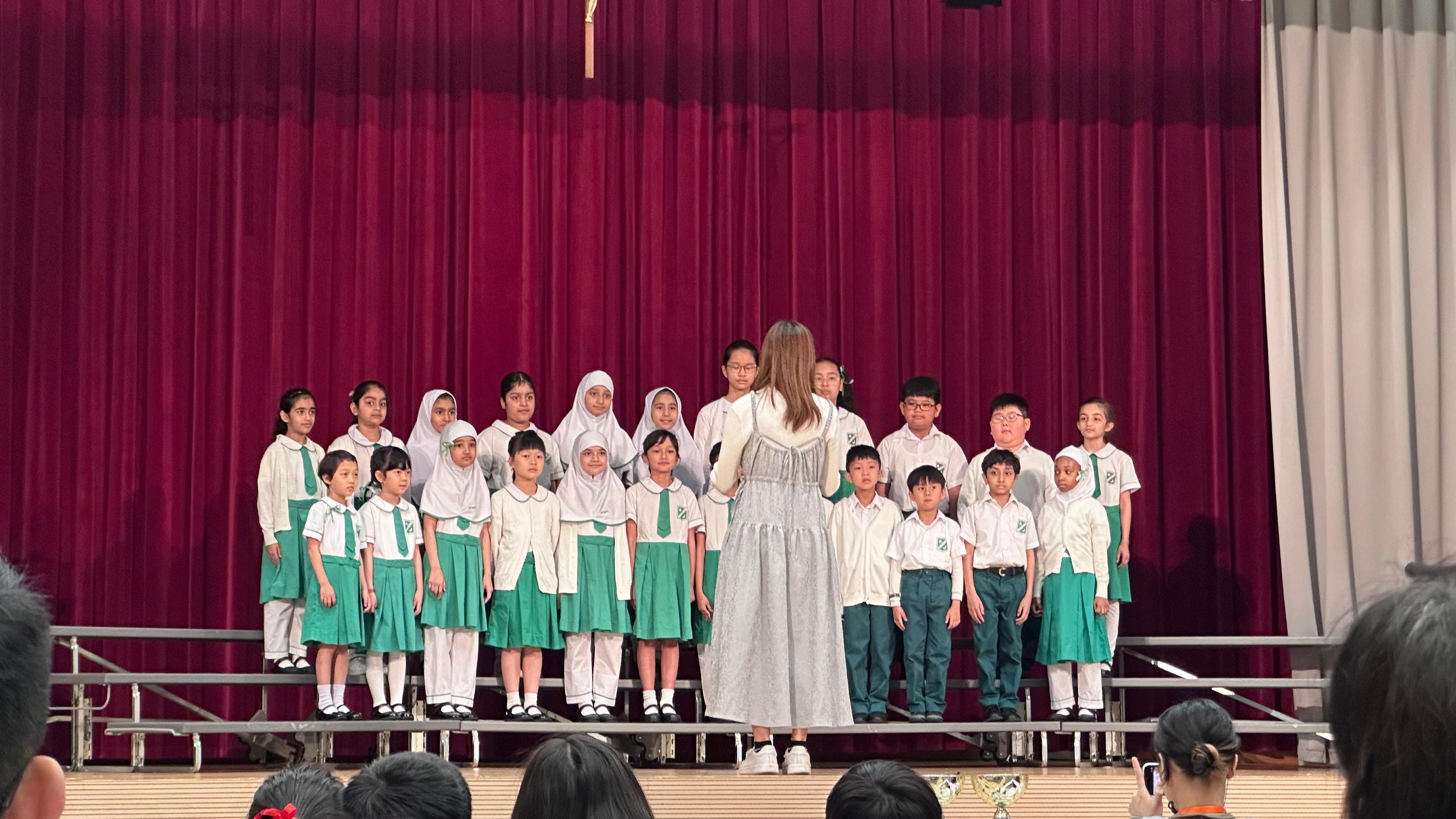
Providing performance opportunities for students to develop their potential and build self-confidence.
Cultivating students' self-discipline, teamwork, and expression skills through activities such as choir and instrumental ensembles.
Fostering children's interest in loving and learning music through participation in various musical activities.
Developing children's auditory awareness and musical understanding through music activities.
Systematically guiding students to understand the elements of music, musical forms, and styles.
Inspiring children's self-expression through music creation, self-assessment, and peer evaluation, allowing them to gain joy and satisfaction from music.
Cultivating students' appreciation for beautiful things through opportunities to play musical instruments, enriching their temperament and enhancing daily life.
Training students' fine and gross motor skills, hand-eye coordination, and body rhythm through the process of playing instruments.
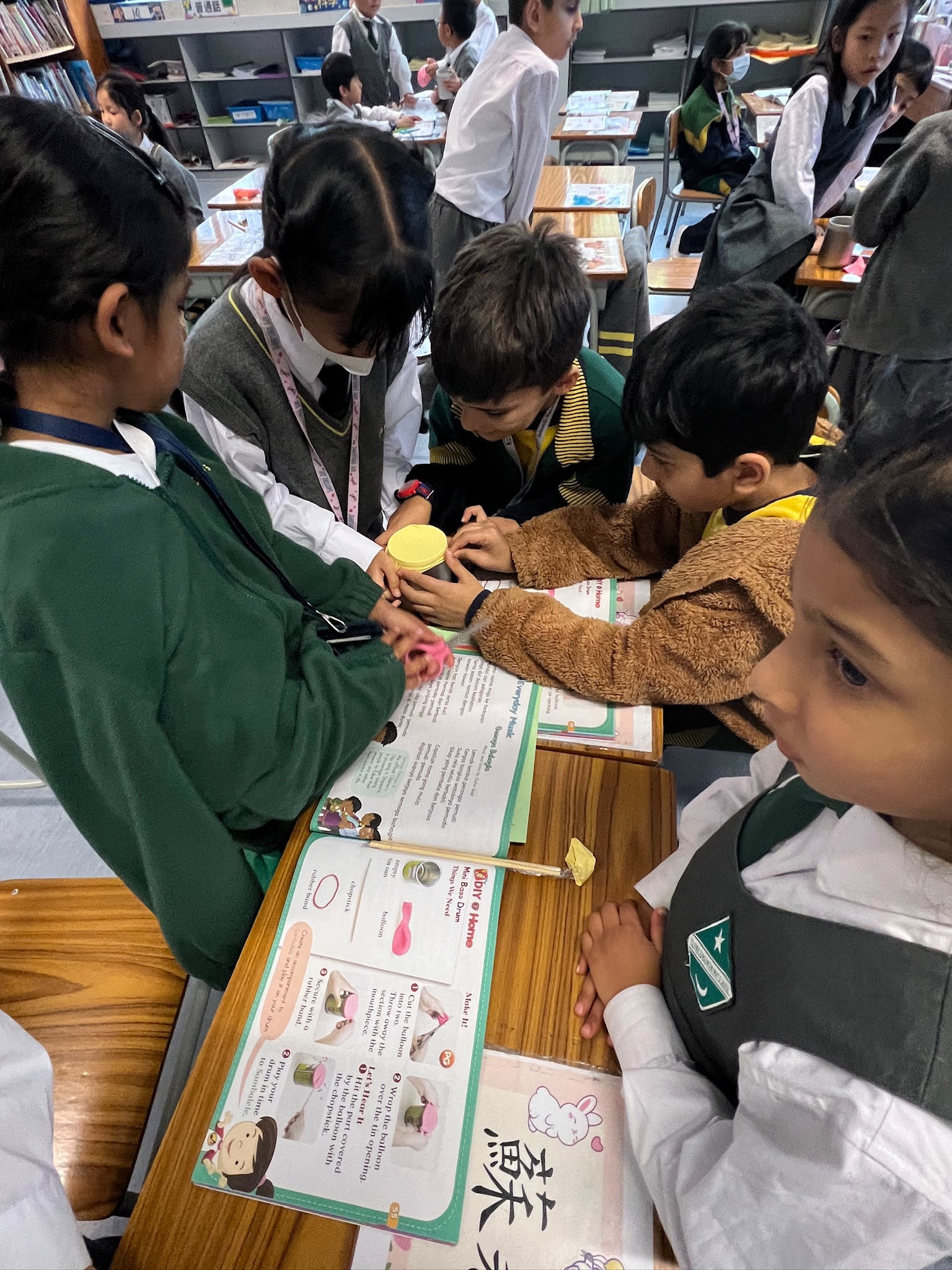
The Music curriculum aims to enrich students' lives through STEAM instrument making and AI music creation.
Key Highlights
Mental Well-being: Mind Gym movement and lunchtime piano music foster emotional wellness.
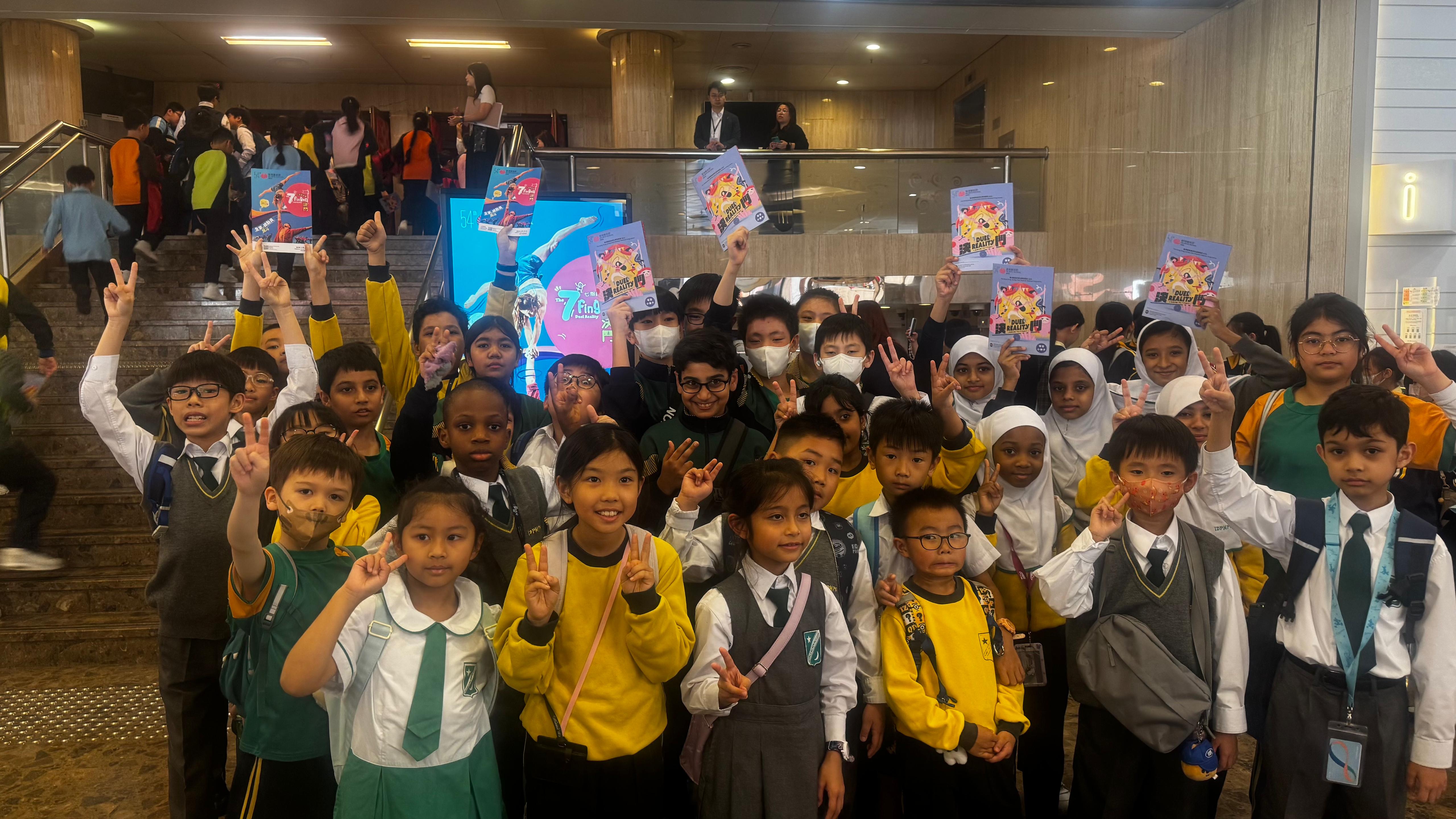
Performances: Choir, piano, drum, and melodica teams engage in music festivals and public performances.
STEAM Homemade Instruments
Acoustic Science: P1–P5 make button castanets, flutes, and harps to explore sound science.
Cross-Disciplinary: Partner with Visual Arts (wooden guitars) and the Library (flutes).
AI & Digital Creation
Music Tech: P4–P6 compose digitally using Chrome Music Lab and GarageBand.
AI Tools: Utilize Gemini (lyrics), Suno (community-themed positive songs), and Songscription.AI (sheet music).
We adopt a diversified assessment model to comprehensively evaluate students’ learning progress:
| Assessment Type | Description |
| Written Exam | Assesses students’ mastery of listening and music theory. |
| Singing | Assesses students’ mastery of pitch accuracy, rhythm, diction, technique, and emotional expression. |
| Handsign (P1 to P2) | Assesses students' mastery of rhythm, hand signs, and solfège names. |
| Recorder (P3 to P6) | Assesses students' mastery of recorder fingering, tonguing, and posture. |
| Participation | Teachers evaluate students based on their overall performance in each lesson and video recordings submitted to the online platform. |
We provide a wealth of learning resources to support learning inside and outside the classroom:
Physical Resources: In class, students can use various percussion instruments—including glockenspiels, xylophones, and handbells—for musical exploration. Outside of class, the school features dedicated piano and drum rooms to offer instrumental training programs for students.
.jpeg)
.jpeg)
 Tsz Lok Estate Phase I, Tsz Wan Shan, Kowloon
 2320 1300
 2322 6566
 idpmps@idpmps.edu.hk
Copyright © 2026. Islamic Dharwood Pau Memorial Primary School, All Rights Reserved